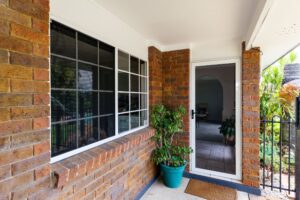
Crimsafe security screens are one of the best investments you can make for your Brisbane home. They provide peace of mind, enhance airflow and keep out pests, all while looking great. But like any high-quality product exposed to the elements, your security screens need regular cleaning to stay in top condition.
In this guide, we’ll explain why cleaning is so important, how often you should do it, and the right way to care for your Crimsafe security screens so they continue protecting your home for years to come.
Why Cleaning Your Security Screens Matters
It’s easy to forget about your security screens once they’re installed. After all, they’re built tough and designed to last. But over time, dust, salt, and airborne pollutants settle on the mesh and frame. If not removed, these contaminants can build up and cause problems.
Here are the key reasons why cleaning your Crimsafe security screens is so important:
Maintain airflow and visibility: Dust and dirt clogging the mesh reduces airflow through your home and makes the screen look cloudy. Cleaning restores the clear view and ensures you get maximum ventilation.
Preserve strength and durability: Crimsafe screens are made from 304 Grade Tensile-Tuff® stainless steel mesh with a UV fade-resistant protective powder-coated finish. As long as the powder coating remains intact, the mesh will not rust; however, if contaminants build up over a long period of time and aren’t cleaned away, the protective coating can be damaged. Regular maintenance keeps your screens strong, secure, and looking their best.
Prolong the warranty: Crimsafe recommends ongoing care and cleaning as part of their product guidelines. Keeping to the recommended maintenance schedule helps you stay within warranty conditions.
How Often Should You Clean Your Security Screens?
The frequency depends on where you live and the conditions your screens face:
Every 6 months: For homes in normal suburban environments with low pollution and away from the coast.
Every 2-3 months: For homes near main roads, industrial areas, or construction zones where dust and pollution levels are higher.
Every 2-4 weeks: For coastal homes where salt spray can quickly accumulate on the mesh and frame.
Living in Brisbane, many homes are close to coastal air or major traffic corridors, so a quarterly cleaning routine is often best.
What You’ll Need to Clean Crimsafe Security Screens
Cleaning your Crimsafe screens doesn’t require expensive products. In fact, harsh chemicals can do more harm than good. All you need is:
- A bucket of warm water
- A small amount of mild detergent (like dishwashing liquid)
- A soft non-abrasive brush or cloth
- A hose or spray bottle of clean water for rinsing
Be sure to avoid abrasive cleaners, bleach, or strong solvents as they can damage the powder coating on your security screens.
Step-by-Step Guide to Cleaning Security Screens
1. Rinse the screen
Gently hose down or spray the screen with clean water to remove loose dirt and debris.
2. Wash with mild detergent
Dip a soft brush or cloth in warm soapy water and scrub both sides of the mesh and the frame. Be thorough but gentle to avoid scratching the coating.
3. Rinse thoroughly
Use clean water to wash away all soap residue. Leaving detergent on the mesh can leave marks and attract more dirt.
4. Dry if needed
For best results, wipe the frame dry with a soft cloth to prevent water spots.
5. Check for damage
While cleaning, inspect the mesh and frame for chips, scratches, or other signs of wear. Early repairs help maintain strength and appearance.
Our Top Tips for Long-Term Maintenance
- Clean both sides of your security screens.
- Don’t use high-pressure cleaners, which can damage the mesh and seals.
- Avoid harsh sponges or pads that scratch the coating.
- Wipe down aluminium frames as well as the mesh.
- Inspect regularly for chips or scratches. As long as the powder coating is intact, the mesh will not rust.
The Risks of Neglecting Your Screens
Skipping regular cleaning may not cause immediate problems, but over time the consequences can add up:
- Pollutants can etch into the powder coating, increasing the risk of corrosion.
- Salt spray left on coastal screens can cause premature deterioration of the coating.
- Clogged mesh reduces airflow, making your home hotter in summer.
- Dirty screens can also affect your home’s overall appearance.
Regular cleaning is the easiest way to extend the lifespan of your security screens and protect your investment.
When to Get Professional Advice
While most maintenance can be done yourself, professional help is important if your screens haven’t been cleaned for years or if you notice damage. The local Brisbane team at Vincent Security has decades of experience installing and maintaining Crimsafe security screens. We understand local environmental challenges, from city pollution to coastal salt air, and can help keep your screens in top shape. Contact us today for expert advice or professional maintenance services.
Frequently Asked Questions
How often should I clean my security screens?
Every six months in most suburban areas, but more often if you are near busy roads or the coast.
What’s the best way to clean Crimsafe security screens?
Use warm soapy water, a soft cloth, and rinse thoroughly. Avoid harsh chemicals and high-pressure cleaners.
Will my security screens rust?
No, Crimsafe screens are made from 304 Grade stainless steel mesh with a tough powder-coated finish. Regular cleaning helps protect your screens against corrosion.
Can I use a pressure washer on my security screens?
It’s best to avoid high-pressure cleaners. Excessive force can damage the mesh, seals, and powder coating. Stick to gentle rinsing with a hose or spray bottle.
What should I do if my security screens are damaged?
If you notice scratches or chips to the powder coating, contact a professional for an inspection and touch-up to maintain strength and warranty coverage.
Still have questions about cleaning or maintaining your Crimsafe security screens? Contact Vincent Security today!